
With the prevalence of social media dominating the internet landscape, we have drastically experienced a collective increase in parasocial relationships with people online. Parasocial relationships occur when one person expends all the energy to create what they feel is a crucial bond between them and another person, while the one on the receiving end goes about their life not knowing the other exists. Whether it is through Twitter, Instagram, YouTube, or TikTok, part of us believes that the content a certain person puts out into the world, like a vlog or an Instagram story, is actually done in dialogue with the audience, rather than as a crafted piece of entertainment. Because we experience these things isolated on our phones or computers, our brain can often trick us into believing they are forming one-on-one bonds with us, maybe to the point of thinking this person we truly do not know is our friend or perhaps even a potential romantic partner. YouTube, where a plethora of people have reached millions by speaking directly into the camera about their lives, probably best exemplifies how these one-sided relationships develop on the audience's side.
On the one hand, parasocial relationships have their benefits. For many people who feel adrift and alone in the world, they can provide a bit of mental safety and comfort. They may even connect two people who have similar parasocial relationships with the same person. But parasocial relationships come with a whole host of negative connotations. Plenty of these one-sided connections result in behavior that could range from unhealthy possessiveness to outright violence in some cases, leading to things like stalking, sexual harassment, and even worse, such as the case of singer Christina Grimmie's murder in 2016. Before the omnipresence of the internet exposed the true seedy underbelly of these relationships, one of the most cherished romantic comedies of the last thirty years tackled the parasocial relationship head-on, Sleepless in Seattle.
The breakout directorial effort from esteemed writer Nora Ephron brought to the screen in 1993 a romantic comedy where the two people in the romance do not interact until the film's closing minutes. Tom Hanks stars as widower Sam Baldwin, who moves from Chicago to Seattle to get a fresh start on life with his son Jonah (Ross Malinger) after his wife's death. Jonah does not like seeing his father in such despair, calling up a radio personality psychiatrist to talk about what his life was like with his deceased wife. This radio broadcast makes its way across the country to Baltimore the ears of reporter Annie Reed (Meg Ryan), brought to tears by the emotional honesty of Sam's story. Though Annie has become recently engaged to the allergy-prone Walter (Bill Pullman), she becomes truly obsessed with Sam, listening to every broadcast he is on, talking about him all the time with her best friend (Rosie O'Donnell), and writing him a letter about how they should meet at the top of the Empire State Building, a reference to the 1957 film An Affair to Remember. Luckily for her, Jonah takes quite a liking to Annie's letter amongst the many they receive after the broadcast and is determined to see his father end up with Annie, even though Sam shows absolutely no interest in her or this method of courtship.
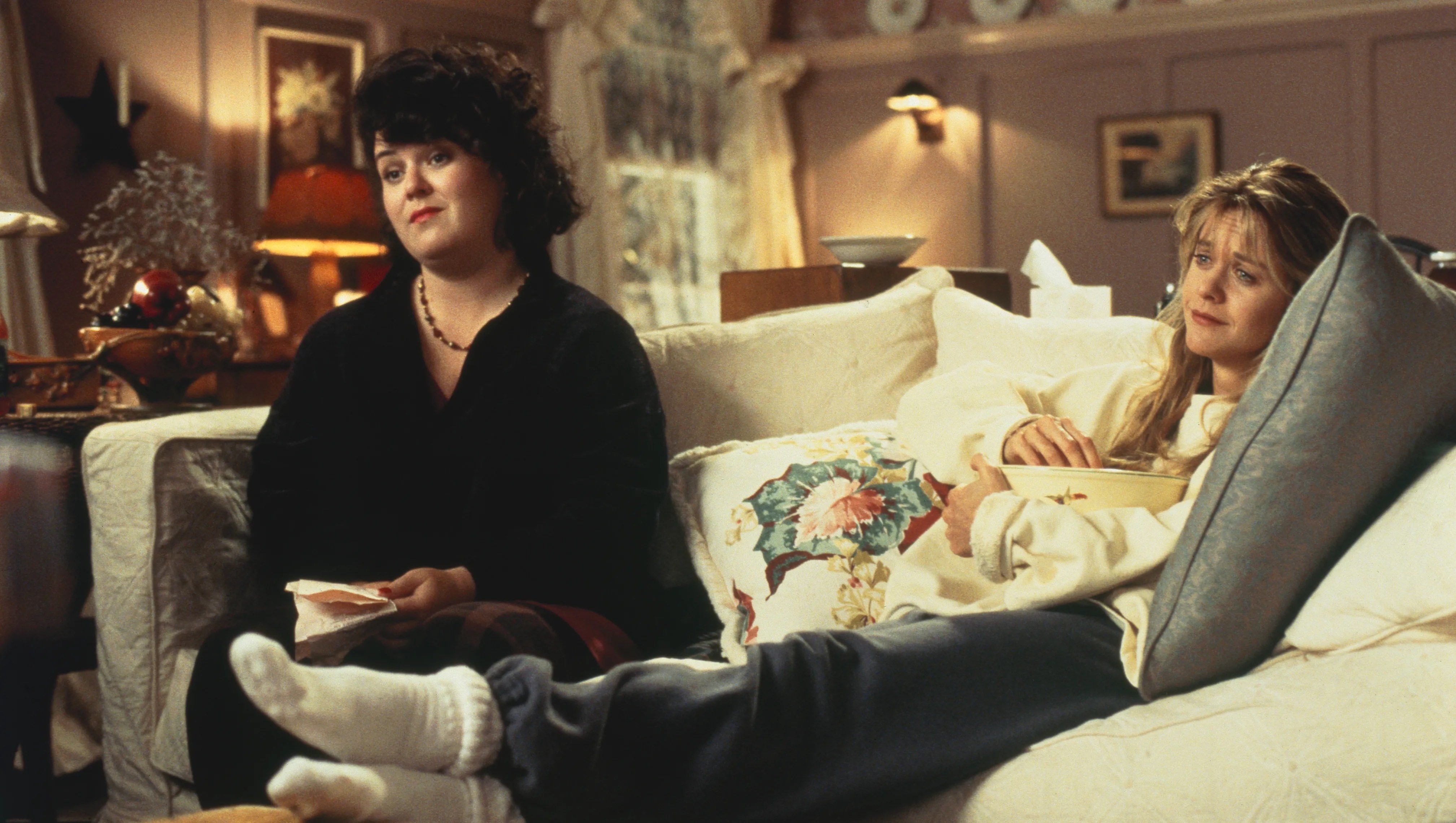
Sleepless in Seattle completely indulges in the romantic parasocial relationship fantasy, where Annie is hopelessly in love with Sam despite not knowing him at all or even having seen his face, yet she knows deep down this is the man she is meant to be with. Annie goes so far as to create an assignment for herself at the Baltimore Sun to justify a trip to Seattle to stalk Sam around Seattle and his home. In real life, Annie's behavior is truly abhorrent, but in the sparkly world of an Ephron romantic comedy, her gawking at Sam while standing in the middle of traffic plays like an action of endearment instead of delusion. The romantic comedy genre as a whole is filled with big gestures like this that would completely creep people out in reality, such as Lloyd Dobbler (John Cusack) blasting Peter Gabriel outside of the house of the girl he wants to be with (Ione Skye) in Say Anything... after she breaks up with him. As an audience member, we at least know she still wants to be with Lloyd and therefore understand and forgive the grand statement, but for Sam, he sees in total confusion a complete stranger standing in the middle of cars rushing past her.
When Sam and Annie eventually do come face to face on the top of the Empire State Building in the final scene, we know the two of them will now go off and live happily ever after. Annie is rewarded for her stalking and obsession. The only pushback for her actions comes in the form of her own questioning of them, but fate has determined it so, justifying every terrible moment. This kind of indulgence in a parasocial fantasy certainly does not help the psychologies of people with their own fantasies, giving them a green light in their own mind to pursue the same venture with their own obsession. For what seems to be a feather-light touch of a motion picture comes with enormously strange consequences perhaps not even considered by the filmmakers.
Despite all of its problematic ramifications, Sleepless in Seattle still manages to make you pump your fist when that meeting occurs. For one, very few people excelled at crafting perfect romantic comedy couples like Nora Ephron, along with films like When Hary Met Sally... and You've Got Mail. Her attention to detail in character combined with one of the sharpest wits in film history endears you to every person on screen, hoping for the best for each and every one of them. Even Walter, meant to exist solely as an obstacle in Annie being with Sam, is treated with utter respect and empathy. All of their insecurities and faults are endearing, rather than annoying.
What also cannot be understated is the power of the movie star. Tom Hanks and Meg Ryan in 1993 were about as A-List as one could get. Their megawatt charms trick us into believing these two characters have undeniable chemistry on-screen even though they are never in the same scene together. On some level, Hollywood moviemaking has drilled into our brains that beautiful, charismatic movie stars starring in a movie together just have to end up together because of some unwritten rule we have all agreed to, and Sleepless in Seattle capitalizes on that in the most rewarding way. While Annie is having her stalking adventure, all we may be thinking is, "Come on, Annie! Just go over and talk to him! It's meant to be!" Those kinds of thoughts cannot cross your brain unless movie stars are in top form.
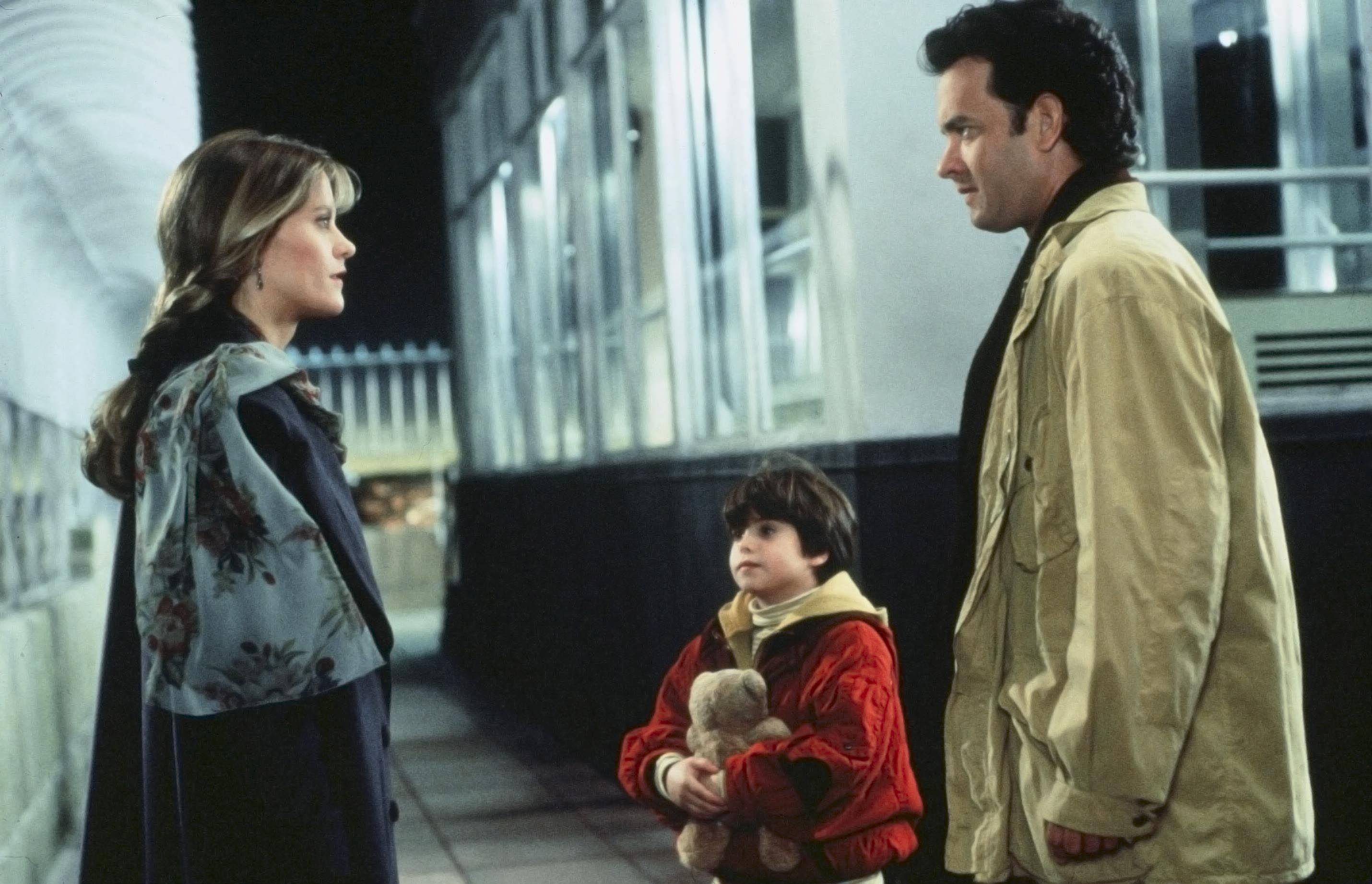
Sleepless in Seattle, in a way, works like a magic trick. The audience is dazzled by the ability of the magician to make a bird disappear and reappear, but in order for that trick to be executed, a decoy bird will probably be crushed to death in the cage. In order for that trick to be successful, the audience either cannot know about that grisly ending or ignore it if they do. Similarly, millions of people feel a rush of happiness watching Nora Ephron's film, making it a hit at the box office and an enduring classic 28 years later, but in an age where parasocial relationships are more visible and terrifying than ever before, the challenge of future viewers to continue to accept an active ignorance by the filmmakers to these issues could prove quite fierce. Sleepless in Seattle is made with undeniable craft and a good heart, and in the end, that may be enough to continue its legacy for generations to come.
from Collider - Feed https://ift.tt/3hIeuTI


